


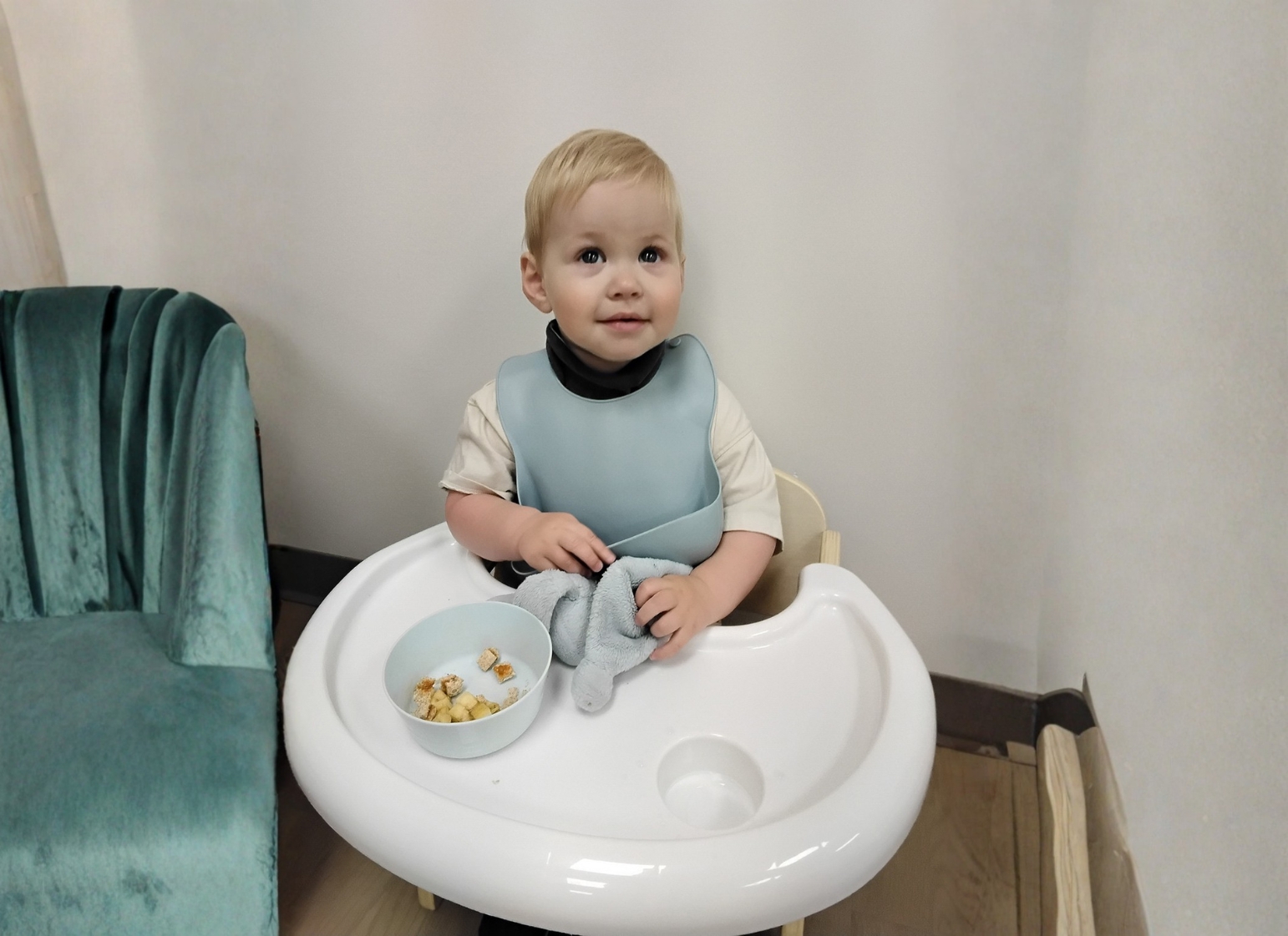
Understanding Preschoolers’ Nutritional Needs
At this age, kids need a range of macronutrients, such as healthy fats, proteins, and carbs. Getting enough minerals and vitamins is also very important. Most kids need between 1,200 and 1,600 calories every day, depending on how active they are. Caloric counts don’t always tell the whole story. What calories are made of is important. A nutrient rich menu for preschoolers includes proteins that make muscles and cells stronger. Carbs, like whole grains, give you energy that lasts for a long time. Calcium, vitamin D, iron, and vitamin C are all good for your bones and blood. A healthy meal full of good fats helps the brain grow. Children in preschool can learn to like a lot of different foods by consuming foods from all the food groups.

Breakfast: The Foundation of the Day
Kids need to eat breakfast in order to have the energy to play and learn all morning. Toothy cereals and toaster cakes are easy to reach for in Canada, but they only give you short bursts of energy before letting you down quickly.
>You can instead give your kids things that are a mix of protein, carbs, and healthy fats. You could have scrambled eggs with whole-wheat toast, Greek yogurt with berries, or rice with banana and nut butter on top. You can enjoy spinach, strawberry, and milk drinks early in the day. Eat a healthy meal before preschool. It will make kids more alert, less cranky, and better ready for their activities.
Lunch: Balanced Midday Energy
That’s where a lot of kids eat lunch, and it needs to look good and be good for you. Split your plate in half when you think of it. Half of your plate should be fruits and vegetables, the other half should be whole grains, and the last quarter should be protein. People in Canada often pack food for their kids. What about a healthy snack? Carrot sticks with hummus, apple slices, a small yogurt cup, and a turkey and cheese sandwich on whole-wheat bread? If people don’t want meat, you can serve black bean wraps, cheese quesadillas, or lentil soups. The goal is a wide range. Kids are interested in new things and ready to try them when you give them foods that taste, feel, and look different.
Snacks: Smart Choices Between Meals
Children in preschool need snacks to stay awake because their bodies aren’t fully grown yet. However, a “snack” shouldn’t be full of fat and sugar. Canadian grocery shops have lots of snacks that kids will like, like chips, cookies, and sweet breakfast bars. These are useful, but they’re not very good for you. Snacks can be full of real food and act like small meals. Apple slices with peanut butter, string cheese with whole-grain crackers, or cucumber sticks with Greek yogurt ranch are all simple snacks that kids will enjoy. If you make snacks ahead of time and keep them on hand, it will be easier to say no to packed junk food. 
Dinner: Family Time and Well-Rounded Nutrition
People often only sit down together for dinner all day, so it’s more than just food. This is a chance for people in Canada to show others how to behave well and encourage healthy eating. Kids in preschool will feel like they are part of the family meal if they are given less food. They will also be able to try many new foods. You could have chicken stir-fry with whole-grain noodles and bright vegetables for dinner, or you could bake salmon with brown rice and peas. It’s fun to eat different kinds of proteins, like fish, chicken, beans, and lean meat. Kids can eat meals better if they don’t have a lot of salt or prepared foods in them.
Beverages: Choosing Wisely
A lot of Canadian kids drink too much juice and pop. Kids in preschool should mostly drink water and milk. Kids should drink whole milk until they are two years old. From then on, low-fat or no-fat milk should be fine, but talk to your doctor first. If you are given juice, you should only be able to drink four ounces a day. It needs to be fruit juice only. Drinking too many sugary drinks can make you fat, damage your teeth, and make you not want to eat healthy foods.
Dealing with Picky Eating
It is common for kids in Canada to be picky eaters, which can be annoying for parents. For young kids, new things might not be fun if they feel or look different or just because they are different. Instead of pushing or paying someone, it’s better to sneak something out of them slowly. It can help to give kids small amounts of veggies over and over, let them help make meals, and show them how foods can be fun in all sorts of ways. Parents should also eat well. Seeing people eat vegetables or whole grains makes kids more likely to do the same. It’s been shown that kids may need 10 to 15 tries of a new food before they will accept it.
Conclusion
Putting together a healthy meal for kids in Canada takes time, thought, and planning, but the end result is worth it. Breakfast, lunch, snacks, and family dinners that are good for you can help you form healthy habits that will last a lifetime. Adults who care for kids can help them grow up healthy, active, and ready to do well by letting them try a lot of different things, teaching them how to make smart decisions, and paying attention to when they are naturally hungry. We at Kids County think that every kid should be able to grow up in a safe place where they are loved, cared for, and motivated to learn. Our best daycare in Sherwood Park, Alberta, has carefully planned activities for each age group to meet their specific developmental needs. This makes sure that all of the kids, from babies to school-age, have a safe and fun time.